The woman behind the work.
And why a lived experience changes everything.
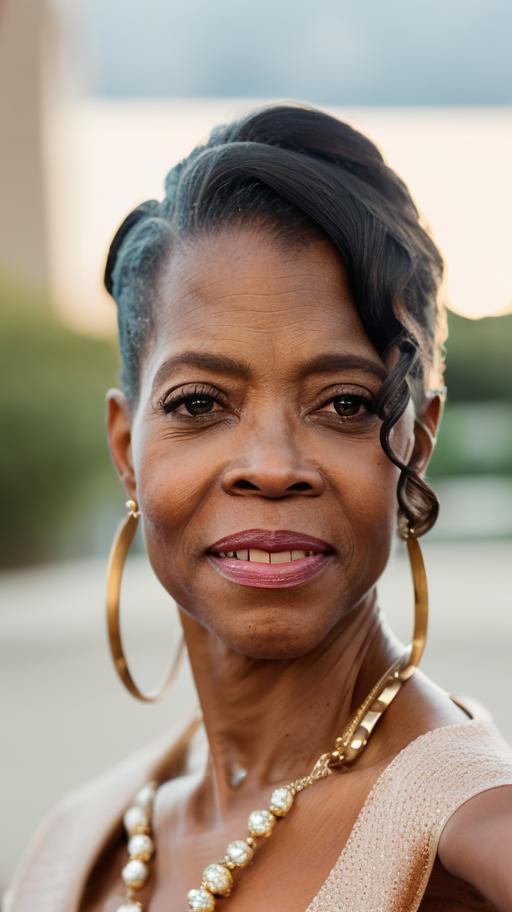
My Story
In 1997, a neurologist looked me in the eye and said four words that were supposed to end my story:
“You have multiple sclerosis.”
Then he said something else. He told me I would be in a wheelchair within ten years.
At the time, I owned 250 pairs of shoes. High heels in every color, on a rack in my basement that my husband bought me from a store going out of business. Those shoes told a story about who I was — a woman with a life fully in motion, a calling not yet answered, and a future she was just beginning to step into. A neurologist was now telling me to prepare for the end of my mobility.
I was finishing the last semester of my first college degree. I had a young daughter at home, a husband who supported me, and a body that had been sending signals for years that no one could read — unexplained falls, numbness, and electrical sensations that doctors dismissed. I finally had a name for what had been happening. And the name came with a prognosis I refused to accept.
I finished that semester. I graduated cum laude. Then on to the second. And finally, I earned my Master of Social Work from the University of Cincinnati — with a newborn, a full-time job, a required internship, and an MS diagnosis. I sat in parking garages with my head on the steering wheel, often too exhausted to drive. But I did anyway.
But here is what I need to tell you, because this is the part that most people don’t know:
I was not okay.
I was performing strength I didn’t always have. I was pushing through pain I wasn’t acknowledging. I had confused getting up with not falling apart. I had confused forward motion with actually living.
I lost my mother — my best friend — to cancer in 2003, just months after watching her cheer at my graduation. I grieved the way many professional women are trained to grieve: quietly, briefly, and between obligations.
For years, I couldn’t even look at that rack of heels. Seeing them meant confronting everything MS had taken from me. The shoes sat untouched — a quiet reminder of who I used to be.
It wasn’t until 2018, sitting in church feeling my body fight against me again, that I finally heard something shift. Four quiet words:
“Play the hand you’ve been dealt.”
Not surrender. Not resignation. Permission. Permission to stop fighting the life I had and start authoring it.
I am a licensed mental health therapist and social worker with over 25 years of clinical experience. I have spent my career sitting with people in their most broken moments — guiding them through grief, trauma, identity loss, and the devastation of having a life rearranged by forces outside their control.
But it was my own life that taught me the thing the textbooks do not teach:
“Getting through something is not the same as reclaiming yourself after it.”
Today, I still live with a secondary progressive MS diagnosis. I also walk on my own terms — defying a surgeon who told me I would permanently walk with a limp. I retired from a demanding career in 2019 to build a life that is genuinely mine. I wrote The Get Up Principle. And I built the AUTHOR methodology — a framework born not from a textbook, but from 25 years of clinical wisdom and my own hard-won reclamation.
I am not a woman who got through it and moved on. I am a woman who got through it and came back to tell you: there is a life on the other side of surviving. And it is worth reclaiming.
Credentials and Training
- Licensed Master Social Worker (LMSW)
- Licensed Mental Health Therapist — 25+ years clinical experience
- Published Author — The Get Up Principle
- Transformational Coach — Identity Reclamation & Chronic Illness Specialty
- MS Survivor & Advocate since 1997
- University of Cincinnati — Master of Social Work
- Licensed Mental Health Therapist
- Licensed Social Worker
- 25+ Years Experience
- Published Author
- MS Survivor Since 1997